
Tools for every stage of reconnection.
These resources follow the SEED Approach from Rediscovering Your Roots, so you can start wherever you are.
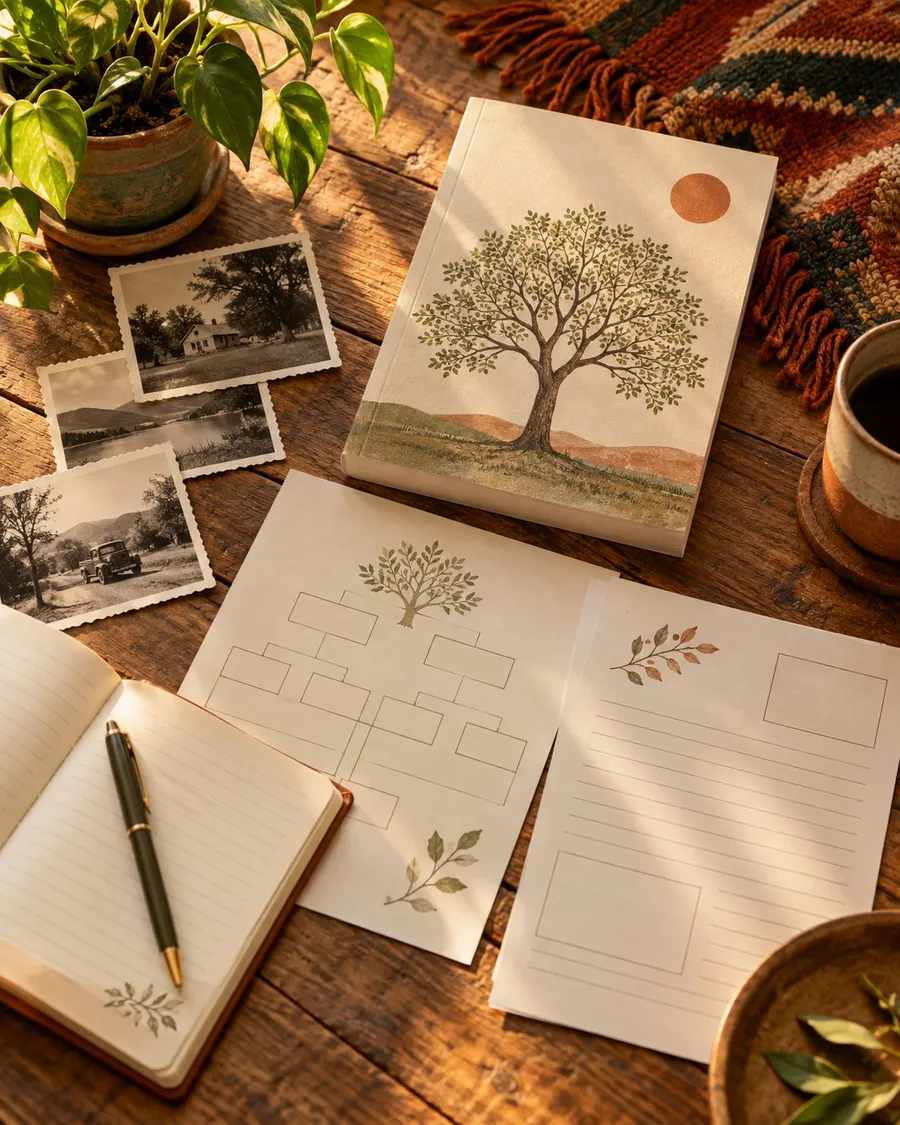
Have the book?
Scan the QR code on page 4 to get the printable templates. Some templates have been updated since the book came out. You’ll find the newest versions in Cultural Roots Reconnection Club. About the Club →

Seek
Understand where you come from.
Discovery is a starting point, not the finish line. Start with what you already have.
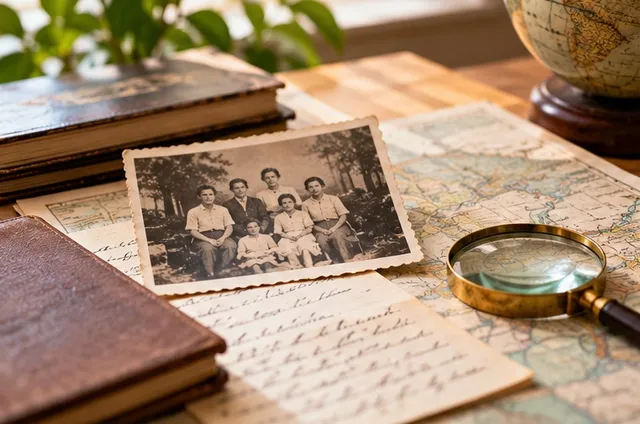
Your free guide
How to Stop Feeling Like a Cultural Imposter. Three steps to start reclaiming your roots, even if you feel you don’t know enough.
Get the free guide →FamilySearch
Free family history records and family tree tools. A good first stop for names, dates, and places.
Visit FamilySearch →National Archives: Genealogy
Census, immigration, and military records, plus guides for getting started.
Visit the National Archives →A note on DNA results
DNA can point to where your ancestors lived. It can’t tell you what that heritage means to you. Treat results as a place to begin, not an answer.
Embrace
Build the relationship.
Connection grows through people, language, and community.
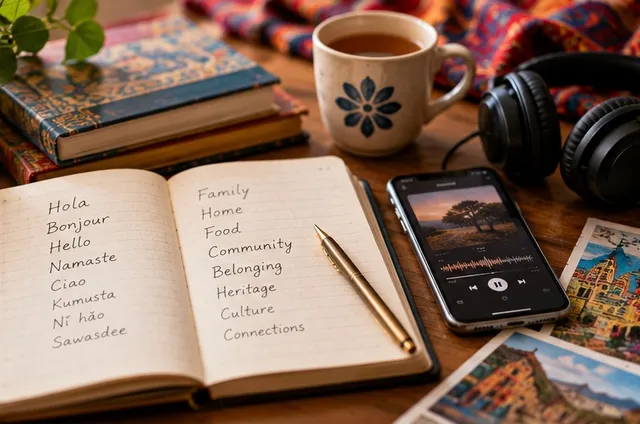
Start with language
Begin with greetings and food words. Imperfect is fine. Many public libraries offer free language-learning apps with a library card.
Find your community
Look for cultural centers, diaspora associations, heritage festivals, and community groups connected to your heritage. Start by observing, then join in when you’re ready.
Hear from others on the same path
Roots Renewed episodes on identity, language, adoption, and belonging. Browse by theme to find stories like yours.
Browse episodes →For adoptees and adoptive families
Stories and conversations about adoption and heritage, from adoptees and the families who love them.
Listen to the Adoption episodes →

Express
Live it day to day.
Heritage isn’t only for holidays. Small, regular practices keep it alive.
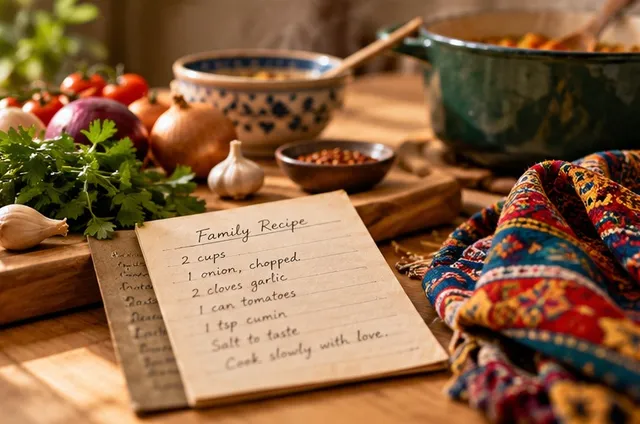
Cook the family recipes
Collect recipes, even the ones with no measurements. Write down who made them, when, and what the dish means to your family.
Music, dance, art, and hair
Pick one tradition to practice this month. Play the music at home, learn a dance, or learn the story behind a hairstyle.
Rediscovering Your Roots, Stage 3
Chapters 7–9 cover symbols and heroes, art, music and dance, and food and style, with prompts to make them part of daily life.
Explore the book →

Develop
Preserve it and pass it on.
Decide what to keep, reshape, and pass on, and protect it for the next generation.
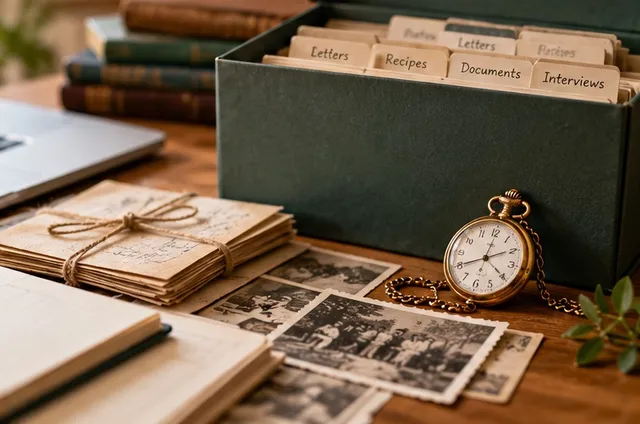
StoryCorps: Great Questions
Question lists for interviewing elders and family members, so you know what to ask.
See the questions →Oral History Association
Guidance for recording interviews with care and respect.
Visit the OHA →National Archives: How to Preserve Family Archives
How to care for family papers, photographs, and keepsakes so they last.
Read the guide →Library of Congress: Digitizing Photos
Simple steps for scanning, naming, and backing up family photos.
Read the guide →Rediscovering Your Roots, Stage 4
The Heritage Connection Pledge and Cultural Legacy Plan help you decide what you want future generations to carry forward.
Explore the book →
Words you’ll hear along the way.
- Heritage Fragments
- Heritage Fragments are small pieces of culture, family, history, and identity that can open a much bigger story.
- Cultural imposter syndrome
- Feeling “not enough,” or like a fraud, when it comes to your cultural identity.
- Diaspora
- Communities living away from their original homeland.
- Heritage language
- The language of your cultural background or ancestry.
- Oral history
- Stories and traditions passed down by speaking.
- Cultural legacy
- The traditions and knowledge you pass on to future generations.
Common questions.
Short answers to help you keep going.
I feel overwhelmed. Where do I start?
Start with one thing that interests you, such as a recipe, photograph, name, or story.
What if I don’t speak my heritage language?
Start with greetings and food words. Many people keep strong ties through music, art, and traditions without being fluent.
What if my family won’t talk about our heritage?
Respect their choice and look to other sources. Sometimes people open up later, when they see your real interest.
Is it okay to explore more than one culture?
Yes. Each one adds to who you are. Go at your own pace.
What if I find painful parts of my family’s history?
Take time to understand, not judge. Look for support from people with similar experiences.
Take care of yourself. If painful family history comes up, a counselor can help.
Cultural Roots Reconnection Club
A community for people reconnecting with their heritage, together. It’s also where you’ll find the newest versions of the book’s templates.
Join the waitlist and you’ll be the first to know when it reopens.
New resources, straight to your inbox.
Join Reconnected. for stories, ideas, and new tools as this page grows.