I spent years trying to build the cultural connection I always wanted.
I grew up knowing very little about my Dominican and Jamaican heritage. My family was estranged. We had a few visits and a few family dishes, but not the relationships that pass a heritage on. I couldn’t do it alone.
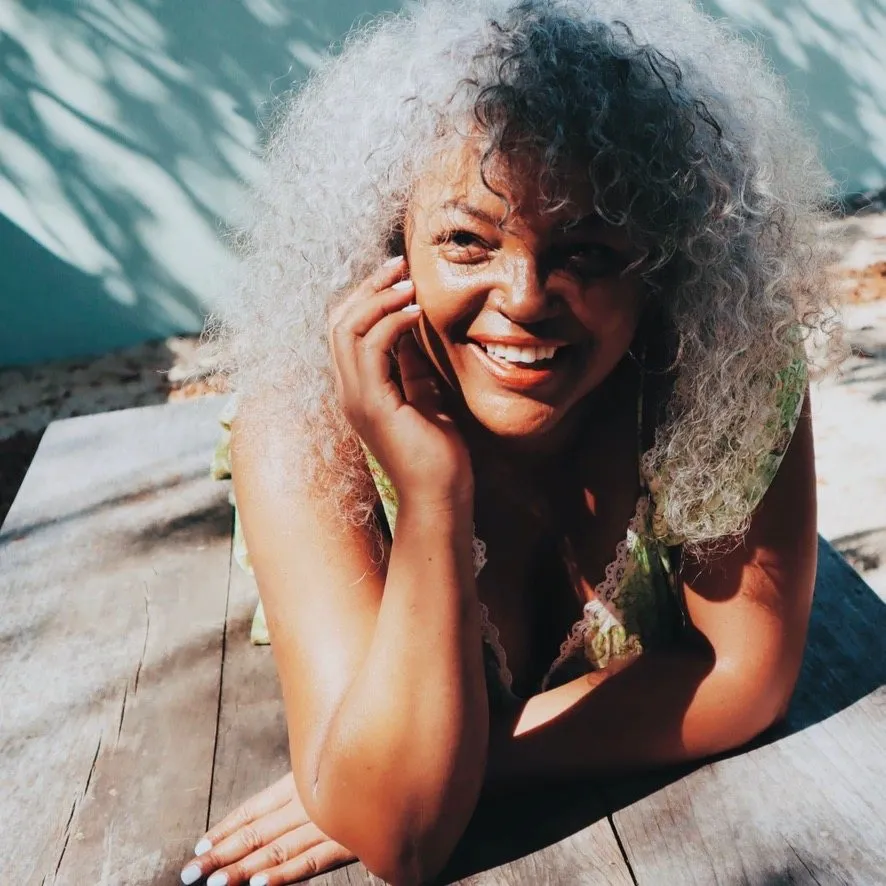
I wanted more than information. I wanted connection.
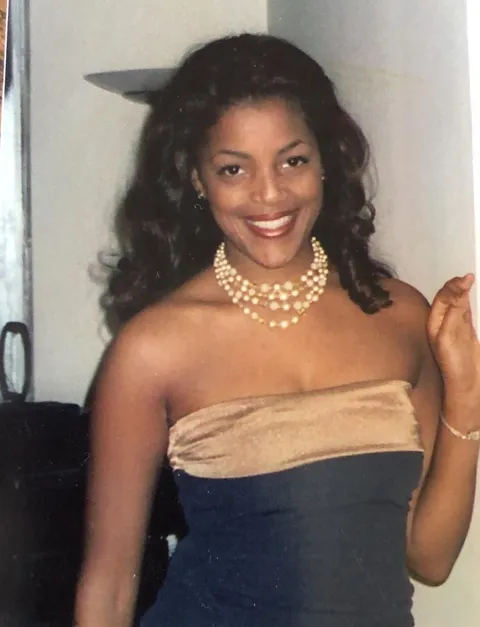
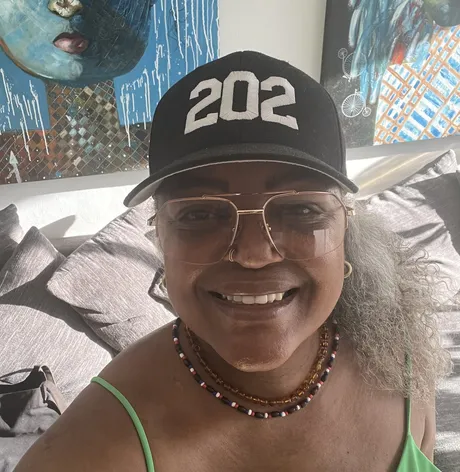
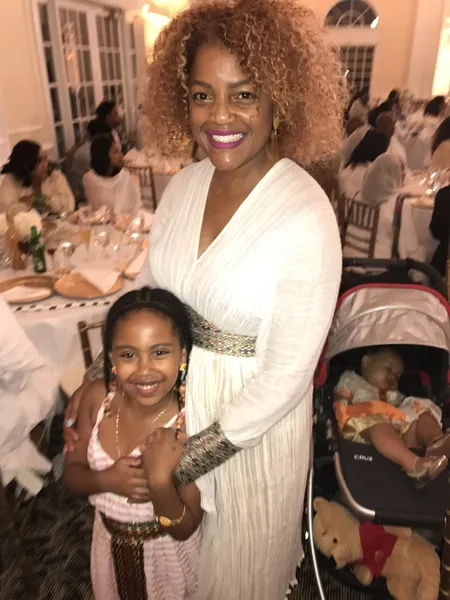
- Growing up
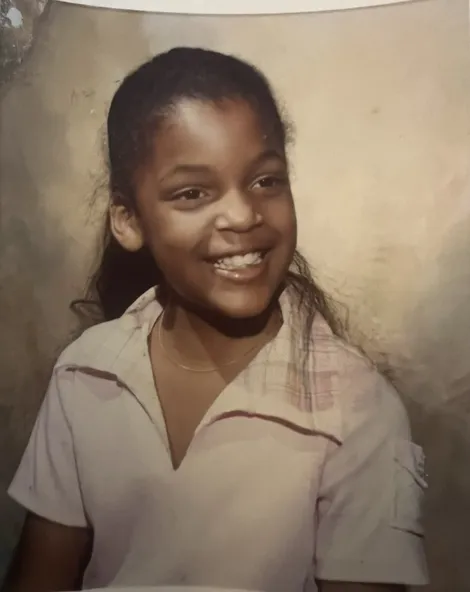
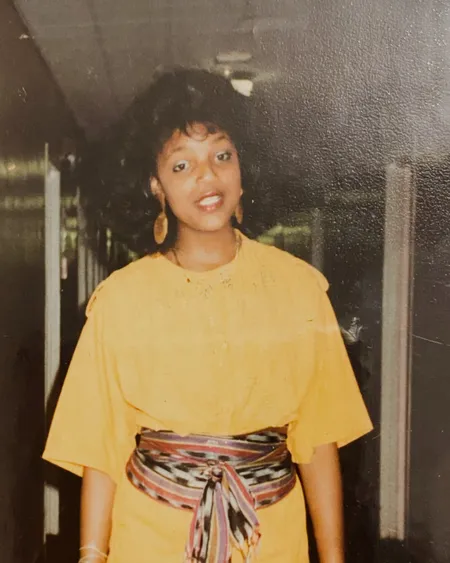
I grew up in Cleveland, disconnected from parts of my Dominican and Jamaican heritage. I had questions, but few places to take them. Some of our story I only learned later. My great-grandmother, just 4′10″, left Jamaica in the early 1900s and became one of the first Black nurses at Harlem Hospital. My grandmother Lenore earned her college degree as an adult and became an entrepreneur.
- Howard University
Going to Howard University changed a lot for me. It helped me feel more grounded in my Black American identity and made me even more curious about my Dominican and Jamaican heritage.
- After college
After college, I started looking for answers. I knew I needed more than research, so I moved to New York City to be closer to extended family and a larger Caribbean community. I lived in Washington Heights, IYKYK, and took a job working within the Dominican community at the Community Association of Progressive Dominicans. I started as a volunteer and stayed three years.
For the first time in my life, I was not being questioned about who I was. I felt like I fit in and was at home.
I asked questions, listened, learned, and paid attention to family stories, food, traditions, names, language, community, and culture. There was no roadmap, but I was intentionally reconnecting with my Dominican and Jamaican heritage.
- Motherhood
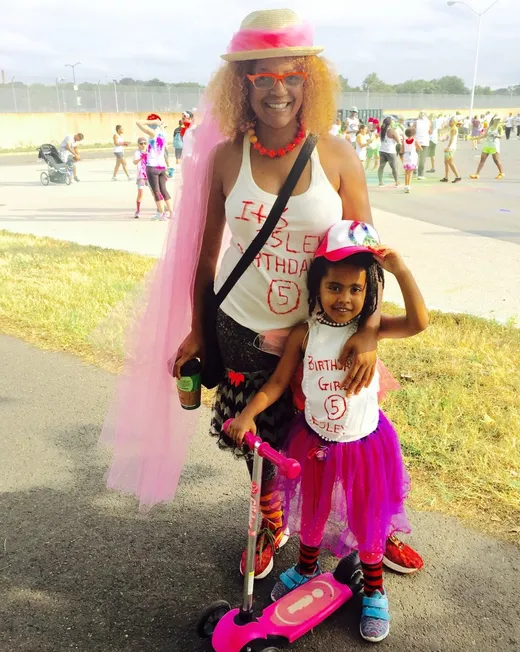
More than a decade later, becoming the mother of an Ethiopian daughter gave that experience new meaning.
I knew what it felt like to want access to your heritage and not know where to find it. I wanted my daughter to know where she came from, experience her culture, and grow up proud of who she was. I tell her, “You may not always live in Ethiopia, but Ethiopia will always live in you.”
How can something so central to who we are be so difficult to access?
As I began talking with other people, I realized that the desire for deeper cultural connection was not unique to me.
Some people were trying to reconnect with parts of their own heritage. Others wanted to make sure their children had access to a culture or identity they themselves had grown up distant from. Some knew a great deal about where they came from but still wanted a stronger relationship with it.
The challenge was rarely a lack of interest. People often did not know where to begin. Family knowledge was incomplete, resources were scattered, and migration, adoption, language loss, distance, silence, and pressure to fit in could all shape cultural connection.
There was plenty of information about discovering where we come from. There was far less guidance for how to build the connection itself.
So I decided to do something about it.
Decades of experience. One growing body of work.
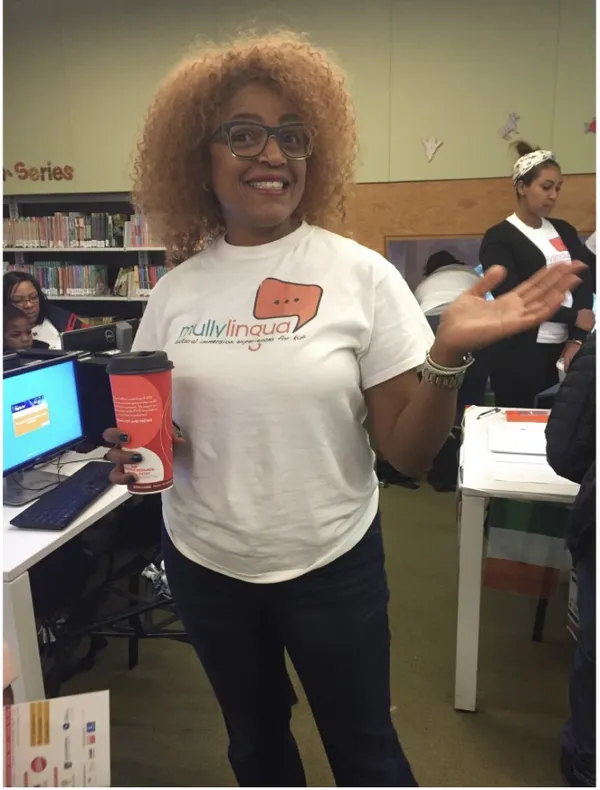
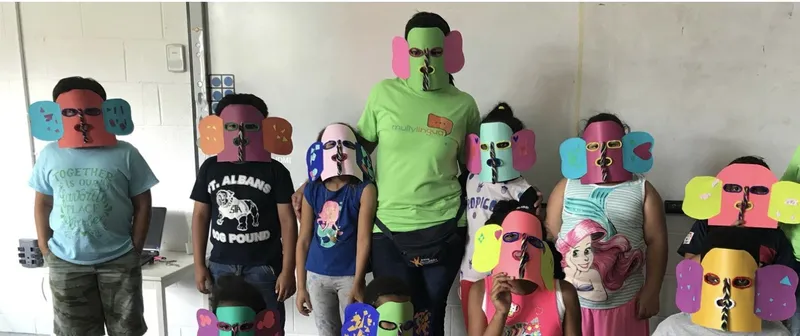
Across education, nonprofit leadership, entrepreneurship, and corporate work, I have designed learning experiences that help people navigate culture, identity, transition, and belonging. That work has included youth, families, asylees, refugees, immigrant communities, and multicultural families.
It began in New York, working within the Dominican community. Reconnecting with my own heritage there gave me a deep love for it, a feeling I wanted to keep for myself and help others find.
Then came UrbanLEARN, where I built youth workforce and business-mentoring programs, with case studies featuring business owners and managers of color that young people could see themselves in.
Later, I founded Mully Lingua, which offered cultural learning for youth and families through language, history, cooking, dance, hair traditions, and storytelling. Ethiopian youth across the diaspora took Amharic classes, and our Cultural Ambassadors were moms, students, and grandmothers chosen for their love of their culture. Mully Lingua is now the parent company for my Heritage Reconnection work.
The thread is the same: helping people understand who they are and what they want to keep.
MBA, Case Western Reserve University, Weatherhead School of Management
BBA, Howard University
Your heritage is yours.
No matter how much or how little you know, or what percentage shows up in your DNA. It’s your birthright, your story, and no one can take it from you.
- Heritage and connection are not the same thing.
- Connection can be interrupted without erasing heritage.
- Discovery is only the beginning.
- You do not need to know everything before you begin.
- There is no single right way to reconnect.
- Not everything we inherit needs to be preserved or passed on.
Because there is more to me than the work.
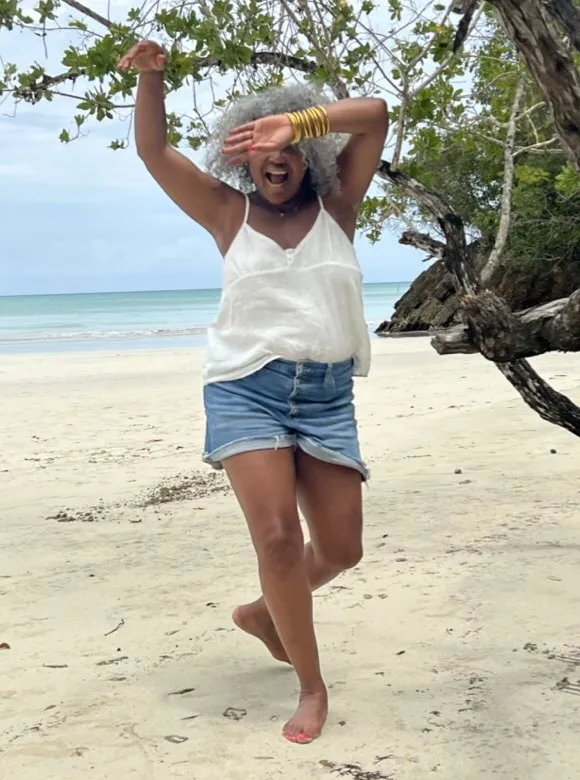
I love reggae, merengue, bachata, and salsa, even when my feet occasionally disagree with the music and I turn the wrong way.
My mom chose the name Tami because it was simple, unlike her own long, traditional Latino name.
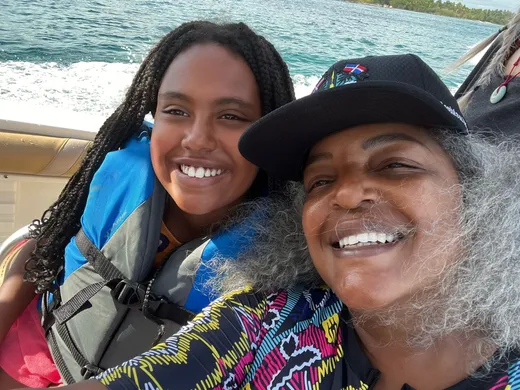
I am lucky that I can blend in almost anywhere I travel (at least until I try speaking the local language). My daughter and I are a world-schooling family, so travel is part of our classroom.
In my kitchen, I call our cooking EthioCarib Soul: Caribbean, Ethiopian, and African American flavors, all at one table.
My Ethiopian daughter has made it very clear that she is the “real African queen” in our house.
And in 2021, I left my life in Washington, DC. I moved to Mexico with my daughter, a lot of dreams, and more hair products than either of us needed. Years later, I’m finally running low.
Your heritage is your birthright. Your relationship with it can keep evolving.
Maybe you are reconnecting with your own heritage, deepening an existing connection, or helping someone you love build theirs. Maybe you are thinking about what to pass on, or looking for meaningful cultural programming for your organization. Either way, there is a place to begin.